
Why Muktinath Matters — A Sacred Site for Many
Tucked into the trans‑Himalayan region of Nepal at roughly 3,800 m altitude, Muktinath attracts pilgrims from both Hindu and Buddhist traditions.
Hindus regard Muktinath as one of the 108 divine abodes (Divya Desams) of Lord Vishnu — uniquely, the only one outside India.
The name “Mukti Kshetra” means “place of liberation,” reflecting the belief that a pilgrimage here can lead to spiritual cleansing and moksha (salvation).
Buddhists call the site Chumig Gyatsa (“Hundred Waters”) and revere it as one of the 24 tantric sacred places. They honor the central deity as an embodiment of compassion — associated with Avalokiteśvara.
Because both faiths honor Muktinath together, the temple stands as a powerful symbol of religious harmony, where different traditions converge in shared devotion and respect.
Sacred Features: What Makes Muktinath Unique
108 Water Spouts — The Purifying Waters of Mukti Dhara
The 108 stone water spouts behind the main temple — known as Mukti Dhara — stand out as one of the most unique features of Muktinath Temple. Pilgrims bathe in these ice‑cold streams because they believe the flowing water cleanses sins and renews their spirit.
This ritual bathing symbolizes purification and liberation (moksha). To most people it is spiritual cleansing and breaking off of past karmas.
Eternal Flame — The Sacred Fire of Jwala Mai
Just below the main temple stands another sacred site: the natural-gas flame that burns continuously, known as Jwala Mai Temple. The flame, emerging from earth and stone, is revered by both Hindus and Buddhists as a divine manifestation.
This interplay of sacred flame and purifying water gives Muktinath a unique spiritual character: a place where core elements of nature and faith meet.
Sacred Stones & Holiness of the Region
Nearby flows the Kali Gandaki River, famous for fossil stones called Shaligram. In Hindu tradition, these fossil stones are considered sacred representations of Lord Vishnu — worshipping them is regarded as equal to worshipping Vishnu directly. Many pilgrims collect or revere these stones as holy relics.
This geological-spiritual link — ancient fossils from prehistoric seas now worshipped high in the Himalayas — adds profound depth to the sacredness of Muktinath.
Temple Architecture & Spiritual Harmony
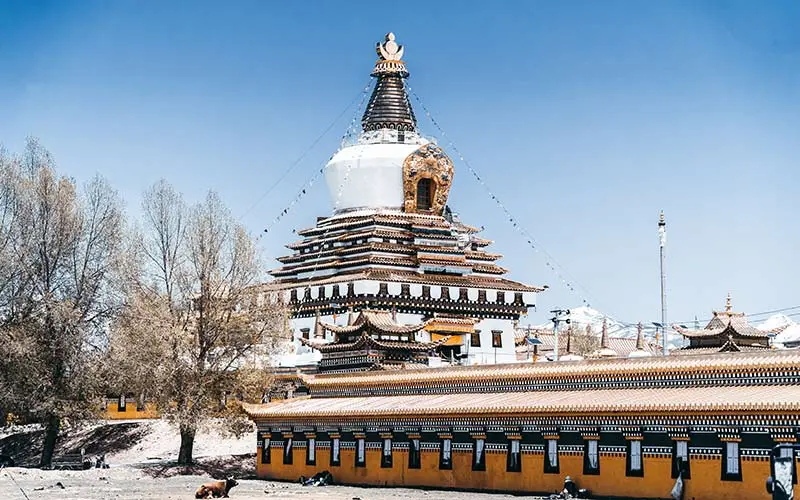
The main structure of Muktinath is a modest pagoda-style temple. Inside sits a life-sized statue of Lord Vishnu (and worshiped by Buddhists as Avalokiteshvara), blending Hindu and Buddhist reverence. Around the complex, shrines, prayer wheels, and Buddhist gompas reflect the region’s religious diversity — a living example of spiritual coexistence rather than division.
The Pilgrimage Experience — Journey, Rituals, and Spiritual Meaning
Physical Journey + Spiritual Reward
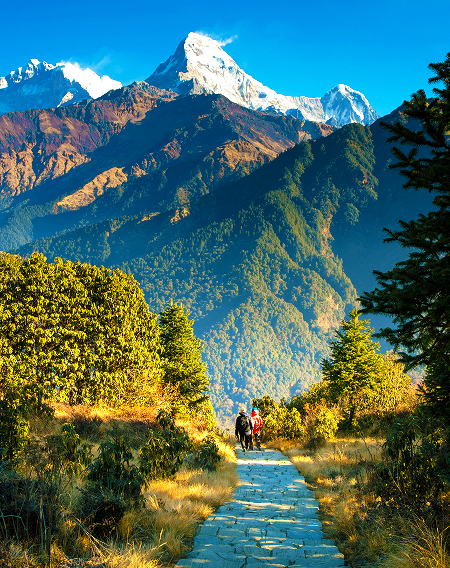
Reaching Muktinath is itself part of the pilgrimage. The temple lies on trekking routes in the Himalayas, offering a journey through rugged terrain and breathtaking landscape before one reaches the sacred shrine.
Given its high altitude, visitors are advised to acclimatize (for example, at lower-altitude stops) to avoid altitude sickness. Warm clothes and gradual ascent make the pilgrimage safer and more rewarding.
Rituals: Purification, Penance and Prayer
-
Bathing at Mukti Dhara: Pilgrims often bathe under the 108 spouts to cleanse sins and seek spiritual liberation.
-
Witnessing the eternal flame at Jwala Mai: Many devotees view this as a connection to primal cosmic energy — a symbol of life’s enduring spark amidst Himalayan austerity.
-
Darshan and Prayer: Whether worshipping Vishnu or paying respect in Buddhist tradition, the shared deity and shared space invite introspection, humility, and unity among pilgrims of varied faiths.
Spiritual & Cultural Significance
Muktinath stands as a powerful example of interfaith harmony — Hindu priests and Buddhist monks (or nuns) conduct worship side by side, and devotees from diverse backgrounds come seeking spiritual solace at the same shrine.
The temple connects ancient traditions with natural wonder — geology (fossil stones), fire, water, mountain air — creating a pilgrimage that is spiritual, cultural, and elemental.
Why a Muktinath Dham Pilgrimage Tour Still Matters
-
For many, Muktinath is more than a sacred site — it’s a journey of the soul: purification, humility, and inner peace.
-
It connects travelers not just to a place, but to ancient myths, natural wonder, and living traditions that bridge faiths and time.
-
For modern spiritual seekers, Muktinath offers a refuge from fast-paced life — a chance to reflect, reconnect, and experience something timeless in the high Himalayas.
-
And for anyone visiting Nepal, combining Muktinath pilgrimage with trekking and Himalayan landscapes offers a uniquely holistic experience: geography, spirituality, culture.
Conclusion
Muktinath Temple is more than a mountain shrine — it is a living symbol of spiritual unity, ancient myth, and Himalayan mystique. Whether you come as a Hindu seeking moksha, a Buddhist looking for compassion and peace, or a traveler hoping to connect with nature and faith — Muktinath offers a journey of inner depth, cleansing, and quiet awe.