
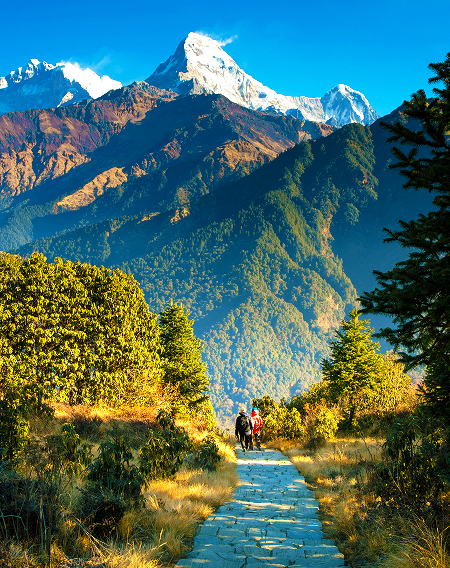
Why Honey Hunting Lamjung 2026 Is Both Controversial and Unforgettable
The Honey Hunting Lamjung 2026 adventure is a highly exciting, controversial, and even hazardous tourist experience in Nepal. In fact, tourists do not always realize the actual danger of climbing cliffs and facing swarming wild honeybees in remote woods. This is an activity that attracts the adventure seeker, eco-tourists, and cultural travelers who want to have an authentic, hands-on experience involving danger, education, and tradition.
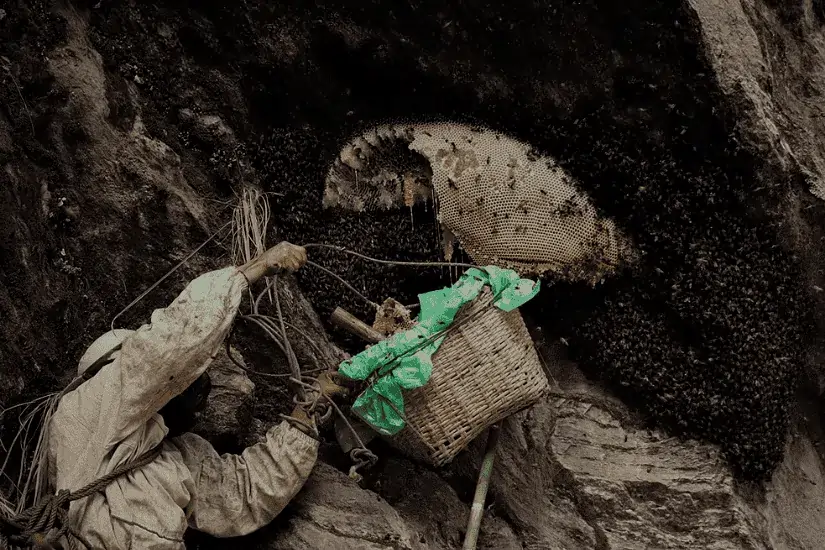
The honey hunters in the area have been putting their lives at risk since the times of their fathers and grandfathers, collecting wild honey in the hives on the cliffs via smoke and rope. Tourists can observe such extraordinary skills personally when they are learning forest ecology, the workings of bees, and sustainable harvesting methods. However, there are also experts and scholars who claim that it is not an ethical practice in contemporary adventure tourism to expose tourists to these extreme environments.
The current blog describes the experience of Honey Hunting Lamjung, including the routine activities, safety considerations on the ground, cultural and ecological lessons, and the benefits to the locals. The readers will find not only the excitement but also the scandal over this centuries-old tradition, knowing why it is one of the most unusual, bold, and disputable adventures in Nepal.

How Honey Hunting Lamjung 2026 Works
Preparing for the Adventure
Tourists begin by collecting safety equipment, such as gloves, ropes, protective clothes, and old-fashioned smoke equipment. Local guides give instruction on climbing methods to the forest cliffs as well as rich historical background. Every member gets to know how to reduce environmental impact whilst securing their own safety in the expedition.
Tracking Honeybee Colonies
The hunters find hives of wild honeybees on the cliffs, which may be hundreds of meters in the distant mountains. Visitors learn to identify ripe honey, track bee behavior, and recognize ecological signs for safe hive harvesting.. These tours not only impart ecological consciousness but also instill respect for biodiversity in Nepal.
Harvesting Techniques
This honey picking is done with closely regulated smoke, detachment of hives, and masterful climbing. Tourists help hunters and also make sure that bees and the environment are not disturbed. This physical exercise provides adventure, learning, and value to millennium-old native craftsmanship skills.
Key Experiences for Tourists
Tourists who visit Honey Hunting Lamjung 2026 experience some special cultural, educational, and adventurous experiences:
-
Cliffside Climbing: Tourists will climb vertical cliffs under the supervision of professionals and see beautiful mountain and forest landscapes.
-
Honey Collection: The Honey Collection is an opportunity to learn the practical ways of honey extraction as the traditional and sustainable methods of honey extraction are carried out by the tourists.
-
Cultural Interaction: Visitors interact with the local communities and learn stories, folklore, and the social meaning of honey hunting.
-
Wildlife Viewing: The forests of Lamjung are home to some of the rarest species of flora and fauna, giving one the experience of immersion into the biodiversity of Nepal.
-
Photography Experience: Forest cliffs, honey collection, and local culture give images that are striking to the memory.
Daily Honey Hunting Lamjung 2026 Itinerary
>Day 01: Arrival in Lamjung, introduction to the guides, the safety briefing, and equipment preparation to go on the forest adventure.
>Day 02: Hike to the first colonies of honeybees, learn how to navigate the forest, and know about sustainable harvesting.
>Day 03: Have a chance to engage in harvests of honey on the cliffs with the guidance of a professional, watching the local practices attentively.
>Day 04: Gather honey, record the process, and participate in community storytelling sessions to gain cultural context.
>Day 05: Get acquainted with the honey processing, packaging, and local trades when the experts show how it is possible to achieve sustainable economic benefits.
>Day 06: Hiking in the nearby forests, exploration of remote villages, and panoramic views of the area, having learned the local traditions.
>Day 07: The last morning event, shopping for souvenirs, and leaving the place with honey and incredible adventure memories.
Safety and Preparation Tips
-
A personal precaution is always to wear protective gloves, helmets, and clothing when climbing and handling the hives.
-
Stick to the instructions of a guide in order to avoid any accidents and preserve the forest ecosystem.
-
Train physically in case of steep trails, cliff climbing, and high-altitude trekking.
-
Be considerate of local culture and be culturally sensitive when dealing with the honey hunters and the people of the village.
-
Regularly hydrate, keep equipment light, and do not disturb bees outside supervised activities.
Environmental and Cultural Insights
The Honey Hunting Lamjung 2026 culture is beneficial to the local communities as it promotes ethical harvesting of honey. It supports lives and maintains forests, biodiversity, and the millennium-old indigenous knowledge. The tourists can observe the fragility of the coexistence between human practice and ecological responsibility.
Guides discuss how overharvesting can lead to negative effects on the population of bees and forests. Tourists are taught sustainable farming techniques such as harvesting at the right time of the year, limiting the disturbance of the hives, and contributing to local conservation movements. This is an adventure that not only educates about the ecology but also about respect for the traditional cultural ways. For travelers interested in experiencing another side of Nepal’s conservation-driven tourism, a Jungle Safari in Chitwan offers a complementary opportunity to witness wildlife preservation and sustainable practices in action.
Controversial Aspects of Honey Hunting 2026
Even though exciting, honey hunting is debatable, as it has intrinsic risks to the tourists and possible ecological disturbance. Cliff scrambling puts tourists in the danger of falling, and bee stings may result in serious allergic diseases in the absence of prior training. Others have been cautioned that too much tourist involvement would disrupt the bee colonies and destroy cultural integrity.
However, when done in a conscientious way with professional guidance, Honey Hunting Lamjung maintains the old lifestyles and offers sustainable tourism education. Tourists not only benefit the local communities, but they are also taught environmental responsibility, and they get a chance to explore an adventure that is rarely experienced by other travelers in the world.
Bullet Points: Top Takeaways
-
Adventure Meets Culture: A combination of extreme activities and the millenary-old Nepalese culture.
-
Education and Awareness: Tells about forest ecology, bee behavior, and ethical harvesting techniques.
-
Community Support: Strengthens the local lives and also conserves the cultural practices in Lamjung.
-
Unforgettable Memories: Provides the experience of capturing moments of the photo, narration, and self-development.
-
Responsible Tourism: Demonstrate moderation between adventure tourism and environmental sustainability.
Additional Meaningful Experiences
-
Undergo village homestays where you will be able to mingle with the locals and gain insights into the daily practices.
-
Participate in seasonal honey processing classes and learn about regional differences and quality management.
-
Note the usual rites of honey hunters to get safe and blessings of the harvest.
-
Participate in environmental surveillance, reporting the activities of bees, the situation in the forest, and sustainability.
-
Participate in local activities related to honey hunting 2026 and gain more cultural knowledge as a visitor to the isolated communities.
Why Honey Hunting 2026 Lamjung Leaves a Lasting Impression
Honey Hunting Lamjung 2026 experience is a unique combination of adventure, culture and ecology learning. Tourists gain hands-on experience of local culture while learning the importance of sustainable forest management..
The cliffs, forests, and communities of Lamjung have stunning landscapes, valuable lessons, and great experiences. Tourists go home not only with honey but with tales, cultural insights as well as profound understanding of the Nepalese strength. Each of the steps underscores the excitement, learning experience, and cultural sensitivity that characterize this irregular experience.
Your Honey Hunting Lamjung 2026 Adventure Today
Experience the adventure of Honey Hunting Lamjung 2026 under the guidance of expert personnel, who are going to make sure that the trip is safe and sustainable and exploration of the forest. Reserve your tour and go climbing cliffs, picking wild honey, and partaking of Nepalese traditions. Start planning your adventure today to enjoy excitement, learning, and a once-in-a-lifetime ecological experience.