
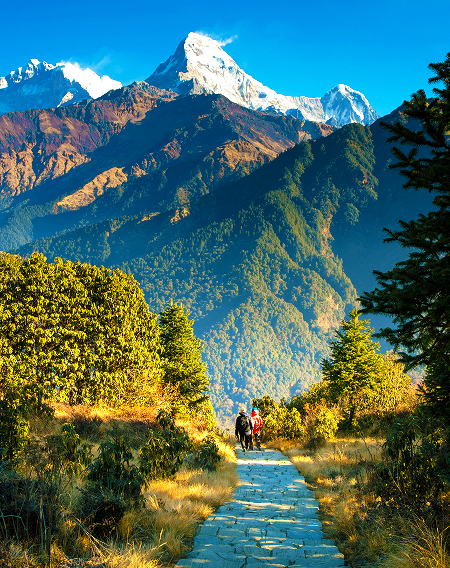
Standing at 4,919 meters above sea level, Tilicho Lake isn’t just another mountain destination. It’s the world’s highest altitude lake trek that challenges even seasoned adventurers with its raw beauty and elevation. If you’re researching Tilicho Lake Trek Package 2026 options, you’re looking at one of the Himalayas’ most rewarding journeys.
Nestled in Nepal’s legendary Annapurna region, this turquoise jewel draws trekkers who crave more than typical mountain trails. The trek combines the classic Annapurna Circuit with a high-altitude detour that tests your limits while rewarding you with panoramas most people only see in photographs.
Planning this adventure requires more than enthusiasm. You need a comprehensive guided trek package Nepal operators design specifically for safety and acclimatization. This guide covers everything from the detailed 20-day itinerary and cost breakdown to permits, route maps, and expert tips that’ll prepare you for your 2026 adventure.
Let’s break down what makes this trek extraordinary and how you can prepare for the experience of a lifetime.
Overview of Tilicho Lake Trek Package 2026
What Is the Tilicho Lake Trek?
The Tilicho Lake Trek is an extended variation of the famous Annapurna Circuit Tilicho Lake route that adds a challenging high-altitude detour to one of Earth’s most stunning alpine lakes. Instead of following the standard circuit, you’ll branch off at Manang and climb to the highest altitude lake trek destination before rejoining the main trail.
This isn’t a casual mountain walk. The trek demands physical fitness and proper acclimatization as you navigate glacial moraines, exposed trails, and elevations that exceed 4,900 meters. According to the Nepal Tourism Board, Annapurna is Nepal’s most trekked region, attracting over 150,000 trekkers annually who seek diverse landscapes and cultural richness.
Why Choose a Guided Trek Package Nepal Operator?
Booking a Tilicho Lake Trek Package 2026 through registered operators like Corsa Adventure Nepal makes the difference between a safe adventure and a risky gamble. Professional packages include experienced English-speaking guides who know the terrain, weather patterns, and altitude sickness symptoms better than any guidebook.
You’ll also get porters who carry your heavy gear, allowing you to trek with just a daypack. This energy conservation becomes crucial at higher elevations where every kilogram feels like five. Most guided trek package Nepal services maintain a 1:8 guide-to-trekker ratio and 1:4 porter ratio for optimal support.
The teahouse accommodation system along this route provides basic but comfortable lodges with meals included. Your package handles all bookings in advance, eliminating the stress of finding beds during peak season. Guides also navigate permit checkpoints, language barriers in remote villages, and route changes due to weather conditions.
Insurance requirements, emergency evacuation protocols, and oxygen supplies come standard with reputable operators. These aren’t luxuries—they’re necessities at altitudes where help can be hours or days away. Solo trekking above 4,000 meters is now restricted by 2026 regulations, making guided trek package Nepal services mandatory for legal compliance.
What’s Included in the Tilicho Lake Trek Package 2026
Most Tilicho Lake Trek Package 2026 offerings include everything you need for a safe, comfortable journey. Here’s what reputable operators typically cover:
- Licensed English-speaking guide and porter (1:8 and 1:4 ratios for personalized support)
- 18 nights teahouse accommodation with shared rooms and basic amenities
- All meals during the trek (breakfast, lunch, and dinner with tea/coffee)
- Ground transportation from Kathmandu to Besisahar and Jomsom to Pokhara, including airport transfers
- ACAP permit TIMS card processing and all required trekking permits
- Duffel bag, sleeping bag rental, and water purification tablets
- Emergency oxygen supply and first-aid kit for high-altitude safety
Package costs range from USD 1,200-1,600 per person depending on group size. Solo trekkers pay premium rates around USD 1,600, while groups of six or more enjoy discounted pricing near USD 1,200 per person.
Who Should Choose This Trek Package
The Tilicho Lake difficulty level sits between moderate to strenuous, requiring both physical stamina and mental determination. This isn’t a beginner-friendly trek—you’ll tackle 5-9 hours of daily hiking with a loaded pack at elevations that challenge even experienced trekkers.
Ideal candidates have completed multi-day hikes before, preferably at altitudes above 3,000 meters. You should comfortably handle steep ascents, exposed trails with loose scree, and unpredictable weather conditions. A baseline fitness level that includes regular cardio and strength training makes the journey safer and more enjoyable. Experienced trekkers will find the Mardi Himal Trek a fantastic choice.
Who shouldn’t attempt this trek? Anyone with severe heart conditions, respiratory issues, or recent surgeries should skip it. Pregnant women, children under 12, and those with previous severe altitude sickness episodes face serious risks. If you can’t commit to 4-6 weeks of pre-trek training, reconsider your timeline.
20 Days Tilicho Lake Trek Detailed Itinerary
The 20 days itinerary map follows a carefully paced route designed for optimal acclimatization and safety. You’ll gradually ascend through diverse climate zones, take strategic rest days, and tackle the trek’s most challenging sections when your body is best prepared.
Kathmandu to Manang (Days 1–7)
Your journey starts with a 7-8 hour scenic drive from Kathmandu to Besisahar (760m), leaving behind city chaos for Himalayan foothills. Day two begins the actual trek through Gurung villages, suspension bridges, and rhododendron forests as you gradually climb toward Chame (2,670m).
By day five, the landscape shifts from subtropical to alpine. The trail passes apple orchards and natural hot springs before reaching Upper Pisang (3,210m), where dramatic canyon views signal your entrance into Tibetan cultural zones.
Day seven brings you to Manang (3,540m), the trek’s cultural hub. The Manang acclimatization day on day eight isn’t optional—it’s essential for preparing your body for the challenging Yak Kharka route and higher elevations ahead.
Tilicho Base Camp & Lake Crossing (Days 8–14)
After acclimatizing in Manang, you’ll diverge from the main circuit on day nine. The Khangsar village trail takes you through arid valleys with yak herds as you climb to Shree Kharka (4,000m).
Day ten delivers the trek’s toughest challenge—the steep, exposed climb to Tilicho Base Camp (4,140m). This section crosses landslide zones with loose rocks, demanding careful footing. The basic lodges offer minimal comfort but stunning Tilicho Peak panoramas.
Day eleven is your reward day. You’ll start before dawn for the 3-4 hour scramble to Tilicho Lake (4,919m). The turquoise waters surrounded by snow-capped peaks create a surreal landscape. Days twelve through fourteen reconnect you with the main circuit via the Yak Kharka route (4,110m).
Descent via Mustang to Pokhara (Days 15–20)
Day fourteen brings the Thorong La Pass trek crossing at 5,416 meters—the journey’s highest point. The pre-dawn ascent rewards you with 360-degree views of Annapurna and Dhaulagiri ranges.
The descent into Mustang’s desert feels like entering another country. You’ll visit sacred Muktinath temple, then continue through stone villages like Marpha and Jomsom. Days seventeen through nineteen add the optional Poon Hill sunrise detour, offering one last spectacular panorama before reaching Pokhara’s lakeside relaxation.
Tilicho Lake Trek Route Map and Elevation Profile
Understanding the 20 days itinerary map and elevation profile helps you prepare for what’s ahead. The route follows a linear pattern with a loop, starting at Besisahar (760m) and peaking at Thorong La Pass (5,416m).
Tilicho Lake Trek Route Overview
The trek begins with a gradual ascent through the Marsyangdi Valley, gaining approximately 2,780 meters over five days to reach Manang (3,540m). From there, you’ll branch off toward the Yak Kharka route, adding the Tilicho detour that spikes upward by 1,379 meters.
The highest point comes at Thorong La Pass (5,416m), followed by a rapid descent through the Kali Gandaki Valley. According to the Annapurna Conservation Area Project, this route traverses Nepal’s largest conservation area spanning over 7,600 square kilometers. You’ll cover approximately 220-250 kilometers with over 12,000 meters of cumulative elevation gain.
Altitude Gain and Acclimatization Points
Three strategic rest days are built into the itinerary at crucial elevation thresholds. The Manang acclimatization day at 3,540 meters is your first major pause, allowing red blood cell production to catch up.
Your body needs 24-48 hours to adjust at each 1,000-meter gain above 3,000 meters. These rest days aren’t lazy—you’ll take short hikes to higher elevations before returning to sleep lower, following the essential “climb high, sleep low” principle.
Side Trails and Scenic Detours
The Khangsar village trail offers a cultural detour before Tilicho Base Camp. This ancient Tibetan settlement sits at 3,930 meters with stone houses and prayer flags against stark mountain backdrops.
Other worthwhile side trips include the Ice Lake hike from Manang (4,600m), Gangapurna Glacier exploration, and the optional Poon Hill sunrise trek (3,210m). These add 2-4 hours but reward you with perspectives most trekkers miss.
Cost of Tilicho Lake Trek Package 2026
Understanding the trek cost breakdown 2026 helps you budget accurately and avoid surprise expenses. Package prices have remained relatively stable from 2025, with only minor 5% inflation adjustments affecting overall costs.
What Determines the Trek Cost
Several factors influence your final Tilicho Lake Trek Package 2026 price. Season plays a major role—peak autumn (October-November) and spring (March-April) command premium rates due to high demand and guaranteed departures.
Group size dramatically affects per-person costs. Solo trekkers pay around USD 1,600, while groups of six or more enjoy discounted rates near USD 1,200 per person. The guide-to-trekker ratio also matters—premium packages offering 1:4 ratios cost more than standard 1:8 services.
Luxury upgrades like private jeep transport instead of shared buses, or camping instead of teahouses, can add USD 200-800 to base prices. Most trekkers find the standard teahouse package offers the best value-to-experience ratio.
Trek Cost Breakdown 2026 (Included vs Excluded)
| Included in Package (USD 1,200-1,600) | Excluded/Additional Costs (USD 600-1,200) |
|---|---|
| Licensed guide & porter services | Travel insurance (USD 100-200) |
| ACAP permit TIMS card fees | Kathmandu/Pokhara hotel nights (USD 40-60/night) |
| 18 nights teahouse accommodation | Personal trekking gear (USD 300+) |
| All trek meals (breakfast/lunch/dinner) | Beverages, snacks, alcohol (USD 100-150) |
| Kathmandu-Besisahar transport | Guide/porter tips (USD 25-30/day total) |
| Jomsom-Pokhara flight | Nepal visa fees (USD 50-125) |
| Emergency oxygen & first-aid kit | Emergency helicopter evacuation (USD 500+) |
Is This Trek Worth the Cost?
Compared to the standard Annapurna Circuit (USD 800-1,100), the Tilicho extension adds USD 300-500 but delivers significantly more diversity. You’re essentially getting two iconic treks in one journey.
The Thorong La Pass trek component alone justifies much of the cost—it’s one of the world’s highest trekking passes with unmatched panoramas. When you factor in the world’s highest lake, three climate zones, and Tibetan culture, the value becomes clear.
Budget travelers spending USD 1,200 in a group get exceptional value compared to shorter Himalayan treks charging similar rates.
Best Season for Tilicho Lake Trek in 2026
Choosing the best season Tilicho trek timing can make the difference between an unforgettable adventure and a miserable ordeal. Weather patterns at high altitude are unforgiving, and certain months present dangerous conditions.
Spring vs Autumn Trekking Conditions
Autumn (mid-September to mid-November) claims the title as the best season Tilicho trek period. You’ll enjoy crystal-clear skies, stable weather, and daytime temperatures ranging from 10-20°C at lower elevations. Nights drop to -5°C at higher camps. For passionate trekkers, Ghandruk Village Trek is ideal during this season..
Spring (mid-March to mid-May) runs a close second with blooming rhododendrons painting the trails. Temperatures stay similar to autumn at 5-15°C, though afternoon clouds sometimes obscure views. According to the World Meteorological Organization, the Himalayan region experiences more stable high-pressure systems during these shoulder seasons, reducing precipitation risks.
October stands out as the peak month—clear visibility, comfortable temperatures, and festivals like Dashain add cultural richness.
Winter and Monsoon Challenges
Winter (December-February) closes Thorong La Pass due to heavy snowfall and avalanche risks. Temperatures plummet to -20°C, and most teahouses shut down completely.
Monsoon season (June-August) brings relentless rain, cloud cover blocking all views, and dangerous landslides. Leeches infest lower forests, making the experience thoroughly unpleasant. Trail erosion increases rockfall risks near Tilicho Base Camp.
Month-by-Month Recommendation
Best: October, April (perfect conditions, clear skies, moderate temperatures)
Good: September, November, March, May (acceptable weather with minor compromises)
Avoid: December-February (snow closures), June-August (monsoon dangers)
Plan your 2026 trek for late September through early November for optimal conditions. Book 4-6 months ahead, as premium operators fill quickly during autumn.
Permits, Difficulty, and Trek Preparation
Understanding permit requirements, the Tilicho Lake difficulty level, and essential gear ensures you’re legally compliant and physically ready for high-altitude challenges.
Required Permits for Tilicho Lake Trek
You’ll need two mandatory permits before starting:
- ACAP permit (Annapurna Conservation Area Permit): USD 30 for 1-month validity, available at Nepal Tourism Board offices in Kathmandu or Besisahar
- TIMS card (Trekkers’ Information Management System): USD 20 for group trekkers, requires passport copies and two photos
A local Manang permit (USD 5) gets processed at village checkpoints. Most Tilicho Lake Trek Package 2026 operators include all permits in their base price. 2026 regulations mandate licensed guides above 4,000 meters. Check the Nepal Tourism Board for detailed permit procedures.
Tilicho Lake Difficulty Level and Fitness Requirements
The Tilicho Lake difficulty level ranks as moderate to strenuous, demanding 5-9 hours of daily walking with elevation gains up to 1,000 meters. You’ll navigate loose scree, exposed ridges, and challenging terrain.
Altitude stress becomes the primary challenge above 4,000 meters. Even fit athletes struggle when oxygen levels drop to 60% of sea-level availability. Your cardiovascular system works overtime.
Prepare with 4-6 weeks of training including uphill hikes with a 10kg pack, stair climbing, and cardio sessions. Prior experience at 3,000+ meters helps tremendously, though first-timers with excellent fitness succeed regularly.
Essential Packing Checklist
Clothing:
- Down jacket rated to -20°C and 4-season sleeping bag
- Moisture-wicking base layers and waterproof shell
Footwear:
- Broken-in trekking boots with ankle support
- Gaiters for scree protection
Safety Gear:
- Trekking poles and UV-protection sunglasses
- Water purification tablets
- Diamox (125mg) for altitude sickness prevention
- First-aid kit with blister treatment
Rent heavy items in Kathmandu’s Thamel for USD 50/week, saving luggage space.
Safety Tips and Expert Trekking Advice
High-altitude trekking demands respect and preparation. Following proven expert trekking tips dramatically reduces your risk of serious complications.
Altitude Sickness Prevention Tips
Altitude sickness prevention starts with proper acclimatization—never rush the ascent schedule. Your body needs time to adjust to reduced oxygen levels at elevation.
Follow the “climb high, sleep low” principle during rest days. Take short hikes 300-500 meters above your sleeping altitude, then descend for the night.
Hydration is non-negotiable. Drink 4-5 liters of water daily, even when you don’t feel thirsty. According to the CDC, gradual ascent with rest days reduces acute mountain sickness (AMS) risk by over 50% compared to rapid climbs.
Watch for warning signs: persistent headache, nausea, dizziness, or loss of appetite. If symptoms worsen despite rest, descend immediately—don’t wait. Diamox (125mg twice daily) helps, but consult your doctor beforehand.
Why a Guided Trek Package Nepal Matters
Professional guided trek package Nepal services provide expertise that guidebooks can’t match. Experienced guides recognize subtle altitude sickness symptoms before they become emergencies.
They know alternative routes when weather closes main trails, understand local lodge availability, and communicate with teahouse owners in Nepali. This local knowledge eliminates daily navigation stress.
Guides carry emergency oxygen, satellite phones for evacuation coordination, and high-altitude first-aid training. Solo trekkers face significantly higher risks, especially on exposed sections near Tilicho Base Camp.
Common Mistakes to Avoid
Don’t skip acclimatization days to “save time”—this often results in expensive helicopter evacuations. Avoid alcohol above 3,000 meters as it dehydrates you and worsens altitude effects.
Never trek alone on the Khangsar village trail to Tilicho where injuries leave you hours from help. Pack your own snacks as teahouse options become limited at higher elevations.
Your Tilicho Lake Trek Package 2026 Adventure Awaits
The Tilicho Lake Trek Package 2026 offers more than just stunning Himalayan views—it’s a transformative journey that challenges your limits while immersing you in one of the world’s most spectacular mountain landscapes. From the turquoise waters of the highest altitude lake trek to the prayer flags fluttering atop Thorong La Pass, every step reveals why trekkers return to Nepal year after year.
Choosing a reputable guided trek package Nepal operator isn’t about convenience—it’s about safety, cultural authenticity, and maximizing your chances of summit success. Professional guides, proper acclimatization schedules, and comprehensive support systems turn what could be a dangerous gamble into a calculated adventure with memories that last a lifetime.
The 20 day itinerary might seem long, but each rest day and gradual ascent protects your health while deepening your connection to the mountains and their people. You’ll return home not just with photos, but with stories of sunrise over 8,000-meter peaks, cups of chai shared with Sherpa families, and the quiet satisfaction of achieving something extraordinary.
Start planning your 2026 adventure now. The Himalayas are calling—will you answer?
Book Your Tilicho Lake Trek Package 2026 Today
The best season Tilicho trek windows fill quickly—autumn 2026 departures are already booking up with premium operators. Don’t wait until it’s too late to secure your spot during optimal weather conditions.
Contact registered guided trek package Nepal operators today for customized itineraries, group discounts, and detailed cost breakdowns. Your Tilicho Lake Trek Package 2026 adventure starts with a single inquiry. Begin planning now and join the ranks of trekkers who’ve conquered one of the Himalayas’ most rewarding journeys.
FAQ
How difficult is the Tilicho Lake trek compared to other Nepal treks?
The Tilicho Lake difficulty level ranks as moderate to strenuous, demanding 5-9 hours of daily hiking with altitude challenges reaching 4,919 meters. You’ll navigate loose scree on the Khangsar village trail and face thin air that makes simple tasks exhausting. Prior trekking experience at 3,000+ meters helps, though first-timers with proper training and guided trek package Nepal support succeed regularly.
What permits do I need for the Tilicho Lake trek in 2026?
You need the ACAP permit (USD 30), TIMS card (USD 20), and local Manang permit (USD 5). Most Tilicho Lake Trek Package 2026 operators include all permit processing in their base price. 2026 regulations mandate licensed guides above 4,000 meters, making solo trekking illegal in high-altitude sections.
When is the best time to trek to Tilicho Lake?
The best season Tilicho trek periods are autumn (mid-September to mid-November) and spring (mid-March to mid-May). October offers perfect conditions with clear skies and comfortable temperatures. Avoid winter (December-February) when Thorong La Pass closes due to snow, and monsoon (June-August) when landslides create dangerous conditions.
How much does the Tilicho Lake Trek Package 2026 cost?
The trek cost breakdown 2026 ranges from USD 1,200-1,600 per person depending on group size. This includes guides, porters, teahouse accommodation, all trek meals, transport, and ACAP permit TIMS card processing. Excluded costs like insurance, gear rental, and tips add USD 600-1,200 to your total budget.